
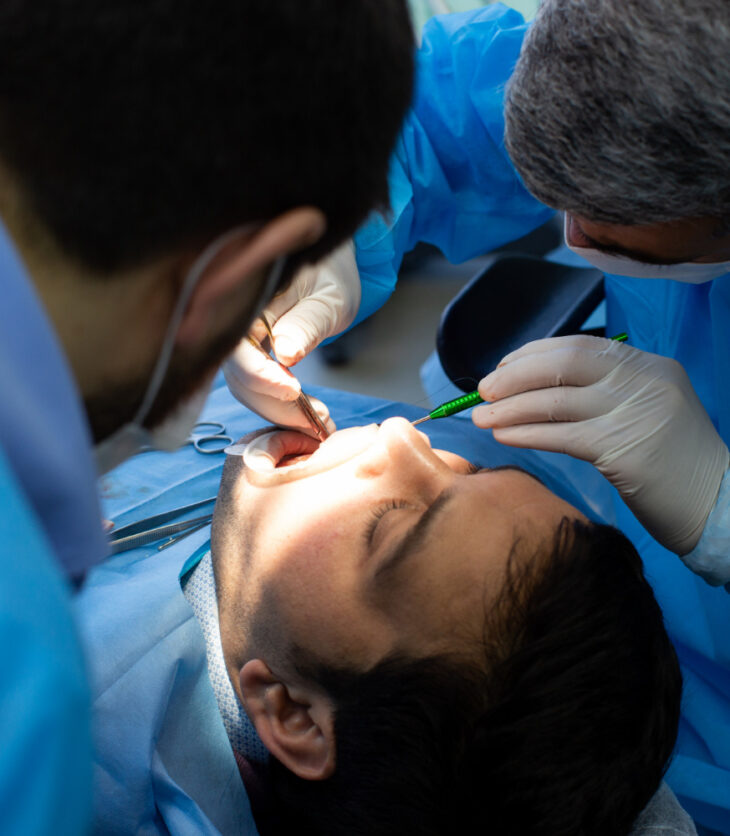
Healing after dental implant surgery is a process that requires both patience and proper care. While some people experience minimal discomfort, others may need more time depending on their overall oral health and the complexity of the procedure. Dental Implants in Bexley are often recommended by specialists who provide detailed aftercare guidance to help patients recover smoothly. With the right follow-up and attention to oral hygiene, most individuals can expect steady improvement over the weeks that follow.
The First 48 Hours
 The initial two days after dental implant surgery are typically the most sensitive. Swelling, mild bleeding, and discomfort are common, but these symptoms are manageable with prescribed medication and cold compresses. Patients are usually advised to stick to soft foods and avoid heavy exertion. Following post-operative instructions during this stage is critical to prevent complications and support proper healing.
The First Week
By the end of the first week, discomfort should begin to subside, and swelling usually reduces significantly. Most patients can resume normal daily activities, although it’s still important to maintain a soft diet and avoid chewing directly on the implant site. Good oral hygiene practices, such as gentle rinsing with salt water and careful brushing, play a crucial role in preventing infection. Many patients return for a follow-up appointment within this period to ensure healing is progressing as expected.
One to Three Months
The next stage of recovery focuses on osseointegration—the process where the implant fuses with the jawbone. This stage can last several weeks to months, depending on individual healing rates. During this time, the implant becomes stable enough to support a crown or bridge. While patients often feel fully healed, it’s important to follow dietary guidelines and avoid unnecessary pressure on the implant to allow for proper integration.
Three to Six Months
 For most patients, full recovery and successful osseointegration occur within three to six months. Once the implant is firmly anchored, the final prosthetic tooth is attached. At this stage, patients can enjoy normal chewing, speaking, and smiling without restriction. Regular dental check-ups remain essential to monitor the implant and surrounding oral structures for long-term success.
The recovery timeline after dental implant surgery is a gradual process that requires patience and proper care. The first 48 hours involve managing discomfort, the first week focuses on stabilization, and the following months allow the implant to fuse with the jawbone. By the three- to six-month mark, most patients achieve full recovery and can enjoy the lasting benefits of their implants. With consistent follow-up care and good oral hygiene, dental implants offer not just restored function but also a healthy smile that lasts for years.…
 You can tell that the
  Most likely, if you ask around you, you could find a friend, colleague, or even a relative who has undergone a vascular operation in the past. You may ask them to refer you to the hospital where they underwent surgery. Also, ask them about their experience there to decide if you will choose the facility. You also need to check reviews online, for example, on the hospital’s website and other sites, to find out more about the various facilities, to choose the one with positive feedback, and to satisfy your other criteria.…