The Recovery Timeline After Dental Implant Surgery

surgery

Healing after dental implant surgery is a process that requires both patience and proper care. While some people experience minimal discomfort, others may need more time depending on their overall oral health and the complexity of the procedure. Dental Implants in Bexley are often recommended by specialists who provide detailed aftercare guidance to help patients recover smoothly. With the right follow-up and attention to oral hygiene, most individuals can expect steady improvement over the weeks that follow.

The First 48 Hours

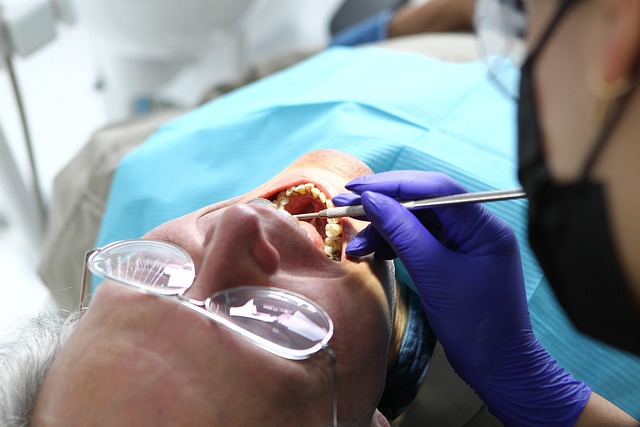
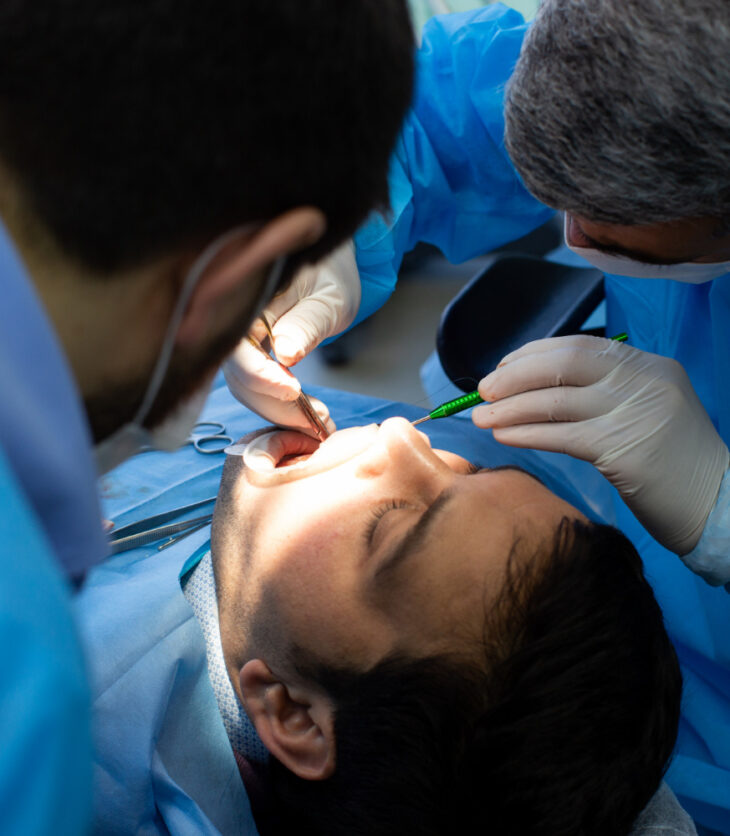
hurting teeth The initial two days after dental implant surgery are typically the most sensitive. Swelling, mild bleeding, and discomfort are common, but these symptoms are manageable with prescribed medication and cold compresses. Patients are usually advised to stick to soft foods and avoid heavy exertion. Following post-operative instructions during this stage is critical to prevent complications and support proper healing.

The First Week

By the end of the first week, discomfort should begin to subside, and swelling usually reduces significantly. Most patients can resume normal daily activities, although it’s still important to maintain a soft diet and avoid chewing directly on the implant site. Good oral hygiene practices, such as gentle rinsing with salt water and careful brushing, play a crucial role in preventing infection. Many patients return for a follow-up appointment within this period to ensure healing is progressing as expected.

One to Three Months

The next stage of recovery focuses on osseointegration—the process where the implant fuses with the jawbone. This stage can last several weeks to months, depending on individual healing rates. During this time, the implant becomes stable enough to support a crown or bridge. While patients often feel fully healed, it’s important to follow dietary guidelines and avoid unnecessary pressure on the implant to allow for proper integration.

Three to Six Months

smiling For most patients, full recovery and successful osseointegration occur within three to six months. Once the implant is firmly anchored, the final prosthetic tooth is attached. At this stage, patients can enjoy normal chewing, speaking, and smiling without restriction. Regular dental check-ups remain essential to monitor the implant and surrounding oral structures for long-term success.

The recovery timeline after dental implant surgery is a gradual process that requires patience and proper care. The first 48 hours involve managing discomfort, the first week focuses on stabilization, and the following months allow the implant to fuse with the jawbone. By the three- to six-month mark, most patients achieve full recovery and can enjoy the lasting benefits of their implants. With consistent follow-up care and good oral hygiene, dental implants offer not just restored function but also a healthy smile that lasts for years.…
Pain and Recovery: What to Expect After Getting Dental Implants

It’s understandable after all, this procedure can significantly improve your smile and boost your confidence. If you’re considering Dental implants Islington, you may have a mix of excitement and apprehension. However, knowing what to expect in terms of pain and recovery is crucial for a smooth transition into this new chapter. Dental implants are more than just cosmetic enhancements; they serve as durable replacements for missing teeth. They mimic the look and function of natural teeth, allowing you to eat, speak, and smile with ease. But before you dive into the world of dental restoration, it’s essential to understand how the process works and what lies ahead during recovery.

Common Types of Dental Implants

Dental implants come in several types, each designed to address specific needs. The most common are endosteal implants. These are surgically placed into the jawbone and resemble small screws. They provide a sturdy foundation for crowns or bridges. Another popular option is subperiosteal implants, which sit just below the gum tissue but above the jawbone. This type is often chosen for patients who don’t have enough bone height for traditional implants. For those needing multiple teeth replaced, implant-supported dentures offer stability and comfort. These appliances anchor securely onto dental implants, allowing for easier chewing and speaking.

Process of Getting Dental Implants

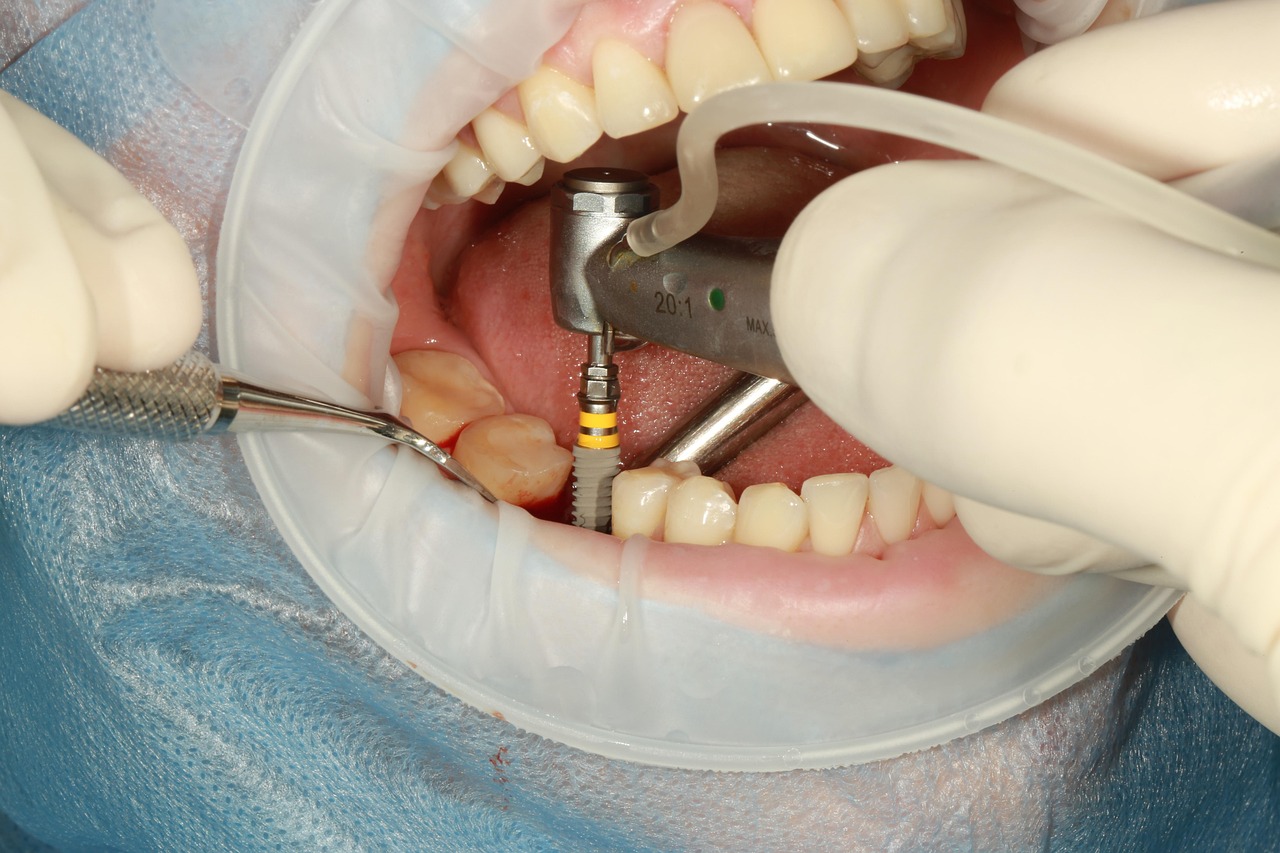
The journey to getting dental implants begins with a thorough consultation. Your dentist will assess your oral health and discuss your specific needs. This initial meeting is crucial for determining if you’re a suitable candidate. Once approved, imaging scans are taken to create a detailed map of your mouth. This helps in planning the placement of the implants accurately. The next step typically involves surgery, where titanium posts are inserted into the jawbone. This procedure may sound intimidating, but it’s usually performed under local anesthesia or sedation for comfort.

Pain Management During Recovery

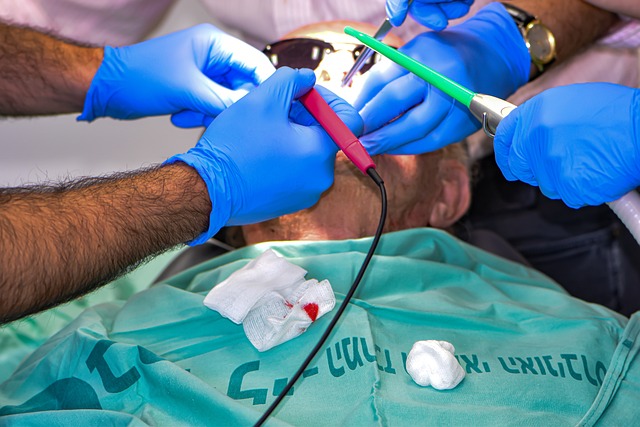
Recovery from dental implant surgery often involves some discomfort. Understanding how to manage this pain is key to a smoother healing process. Your dentist may prescribe pain relievers or recommend over-the-counter medications. It’s essential to follow their advice on dosage and scheduling for optimal relief. Cold compresses can be your best friend during the first few days. Applying ice packs to the outside of your cheek helps reduce swelling and numbs the area, easing discomfort significantly. Stay hydrated but avoid hot beverages right after surgery. Cool drinks can soothe your mouth while you heal, minimizing irritation around the implants.

Proper Aftercare for Successful Healing

After getting dental implants, proper aftercare is essential for a smooth recovery. Start by following your dentist’s instructions carefully. This includes medication guidelines and any prescribed oral hygiene practices. Keep the surgical site clean but be gentle. Rinsing with warm salt water can aid in healing without irritating. Avoid brushing directly over the implant area for the first few days to prevent discomfort. Diet plays a crucial role too. Stick to soft foods like yogurt, smoothies, and mashed potatoes during the initial healing phase. Stay hydrated but avoid hot beverages that could irritate your gums. Pay attention to any unusual symptoms such as prolonged swelling or pain beyond what was expected. If something feels off, don’t hesitate to contact your dentist for advice or reassurance on your recovery journey.

Risks and Complications to Watch Out For

While dental implants are a popular choice for tooth replacement, there are some risks to consider. Infection at the implant site is one of the most common complications. This can cause discomfort and delay healing. Another potential issue is nerve damage. If an implant is placed too close to nerves, it may lead to numbness or tingling in the lips, chin, or gums. It’s a rare occurrence but worth discussing with your dentist. Sinus problems can also arise if upper jaw implants protrude into sinus cavities. Patients should be aware of this risk, especially those who have experienced sinus issues previously.

Long-Term Benefits of Dental Implants

Dental implants offer significant long-term benefits that go beyond just aesthetics. They restore functionality, allowing you to enjoy your favorite foods without discomfort. One major advantage is bone preservation. Unlike dentures, which can lead to bone loss over time, implants stimulate the jawbone and promote healthy growth. This helps maintain facial structure and prevents a sunken appearance. Furthermore, dental implants are designed for durability. With proper care, they can last many years or even a lifetime making them a wise investment in oral health.

In Conclusion

Dental implants can significantly improve your quality of life. Many patients experience a transformation in their self-esteem and overall happiness after the procedure. While some discomfort may arise during recovery, effective pain management techniques make the healing process manageable. Proper aftercare is crucial for optimal results. Following your dentist’s instructions will help ensure that your implants integrate well with …