
Many people are unaware that the way they breathe during sleep can influence their oral health. Nighttime mouth breathing is a common habit that often goes unnoticed for years. Some individuals breathe through their mouths due to nasal congestion, allergies, sleep disorders, or structural issues in the nasal passages. While it may seem harmless, regular mouth breathing during sleep can create conditions that negatively affect teeth and gums over time. The effects are often gradual and easy to overlook until noticeable dental problems develop. Understanding how nighttime mouth breathing can quietly affect long-term dental health helps individuals recognize potential risks and seek appropriate solutions before significant damage occurs.
Reducing Natural Saliva Protection
Saliva plays an important role in maintaining oral health. It helps wash away food particles, neutralize acids, and control harmful bacteria within the mouth. When a person breathes through their mouth during sleep, airflow increases the rate at which moisture evaporates. This often results in a dry mouth by morning. A lack of saliva reduces the mouth’s natural defense system. Harmful bacteria can multiply more easily when protective moisture levels decrease. Over time, reduced saliva production may contribute to a higher risk of cavities and other oral health concerns. Consistent dryness creates an environment where dental problems can develop more quickly.
Encouraging Tooth Decay Development
Tooth decay occurs when bacteria produce acids that gradually weaken enamel. Normally, saliva helps balance acid levels and supports the natural repair process. Nighttime mouth breathing limits this protective function. Dry conditions allow acids to remain on tooth surfaces for longer periods. As enamel becomes exposed to prolonged acid activity, small areas of damage may begin to form. These weakened areas can eventually develop into cavities. Young adults and older adults alike may experience increased decay risk when chronic dry mouth is present. Without intervention, the damage can continue progressing silently over many years.
Increasing Gum Health Problems

Healthy gums require adequate moisture and a balanced oral environment. Mouth breathing can disrupt both conditions. Dry tissues become more vulnerable to irritation and inflammation. Gums may appear red, swollen, or sensitive. The accumulation of bacteria along the gumline can also increase when saliva levels are reduced. This raises the likelihood of gingivitis and other periodontal concerns. If inflammation remains untreated, gum disease may gradually affect deeper supporting structures around the teeth. Long-term gum damage can ultimately impact overall oral stability and health.
Contributing to Enamel Wear
 Enamel is the outer protective layer of the teeth. Although it is strong, it can become vulnerable under certain conditions. Dry mouth caused by nighttime mouth breathing reduces the protective coating that saliva provides. This leaves enamel exposed to acids from bacteria and dietary sources. As enamel gradually wears down, teeth may become more sensitive to hot, cold, or sweet foods. Once enamel is lost, it cannot regenerate naturally. The resulting damage may require professional treatment to prevent further deterioration. Protecting enamel is essential because it serves as the first line of defense against many dental problems.
Affecting Oral Development and Alignment
In some cases, persistent mouth breathing can influence oral development, especially when it begins during childhood and continues into adolescence. Breathing patterns help shape the growth of facial structures and jaw alignment. Chronic mouth breathing may contribute to changes in the position of the tongue and surrounding muscles. These changes can affect how teeth develop and align over time. Crowding, bite issues, and orthodontic concerns may become more likely. Although not every mouth breather experiences these problems, the connection between breathing habits and oral development continues to receive attention from dental professionals. Early identification can help reduce the likelihood of long-term complications.
Supporting Better Breathing and Oral Health

Addressing nighttime mouth breathing often requires identifying the underlying cause. Nasal congestion, allergies, enlarged tonsils, and sleep-related conditions may all contribute to the habit. Dental professionals and healthcare providers can work together to determine appropriate solutions. Improving nasal airflow may help encourage healthier breathing patterns during sleep. Maintaining proper hydration and following a consistent oral hygiene routine can also support oral health. Regular dental examinations allow early signs of dry mouth, enamel wear, and gum irritation to be detected before they become serious. Preventive care remains one of the most effective ways to reduce the long-term impact of mouth breathing on dental health.
Nighttime mouth breathing may seem like a minor habit, but its effects on oral health can be significant over time. Reduced saliva production, increased tooth decay risk, gum inflammation, enamel wear, and potential alignment concerns are all possible consequences of chronic mouth breathing during sleep. Because these issues often develop gradually, many people do not realize the connection until noticeable symptoms appear. Understanding the relationship between breathing habits and oral health allows individuals to take proactive steps toward prevention. By addressing underlying causes and …
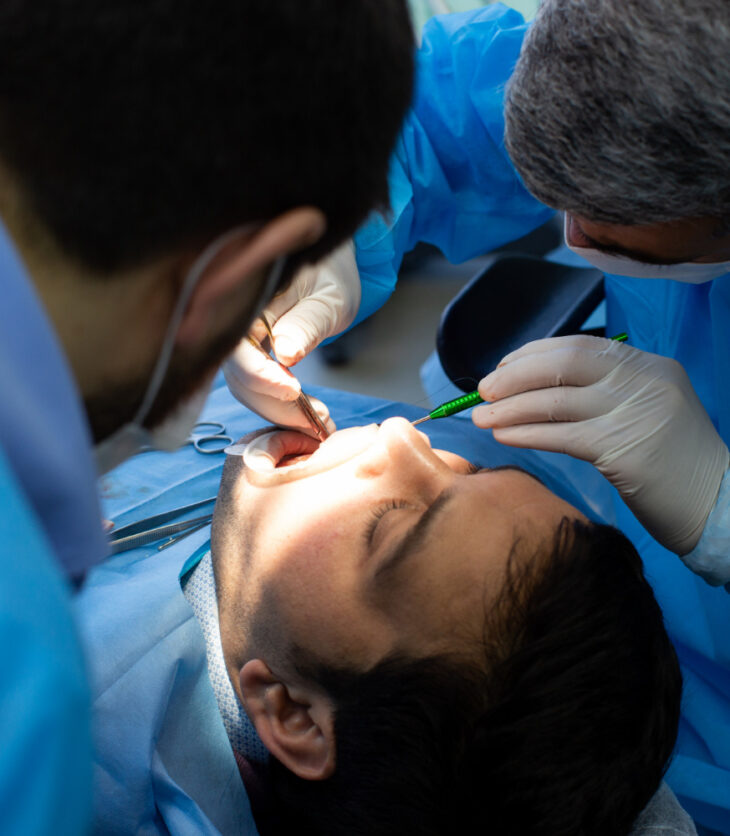
 The initial two days after dental implant surgery are typically the most sensitive. Swelling, mild bleeding, and discomfort are common, but these symptoms are manageable with prescribed medication and cold compresses. Patients are usually advised to stick to soft foods and avoid heavy exertion. Following post-operative instructions during this stage is critical to prevent complications and support proper healing.
 For most patients, full recovery and successful osseointegration occur within three to six months. Once the implant is firmly anchored, the final prosthetic tooth is attached. At this stage, patients can enjoy normal chewing, speaking, and smiling without restriction. Regular dental check-ups remain essential to monitor the implant and surrounding oral structures for long-term success.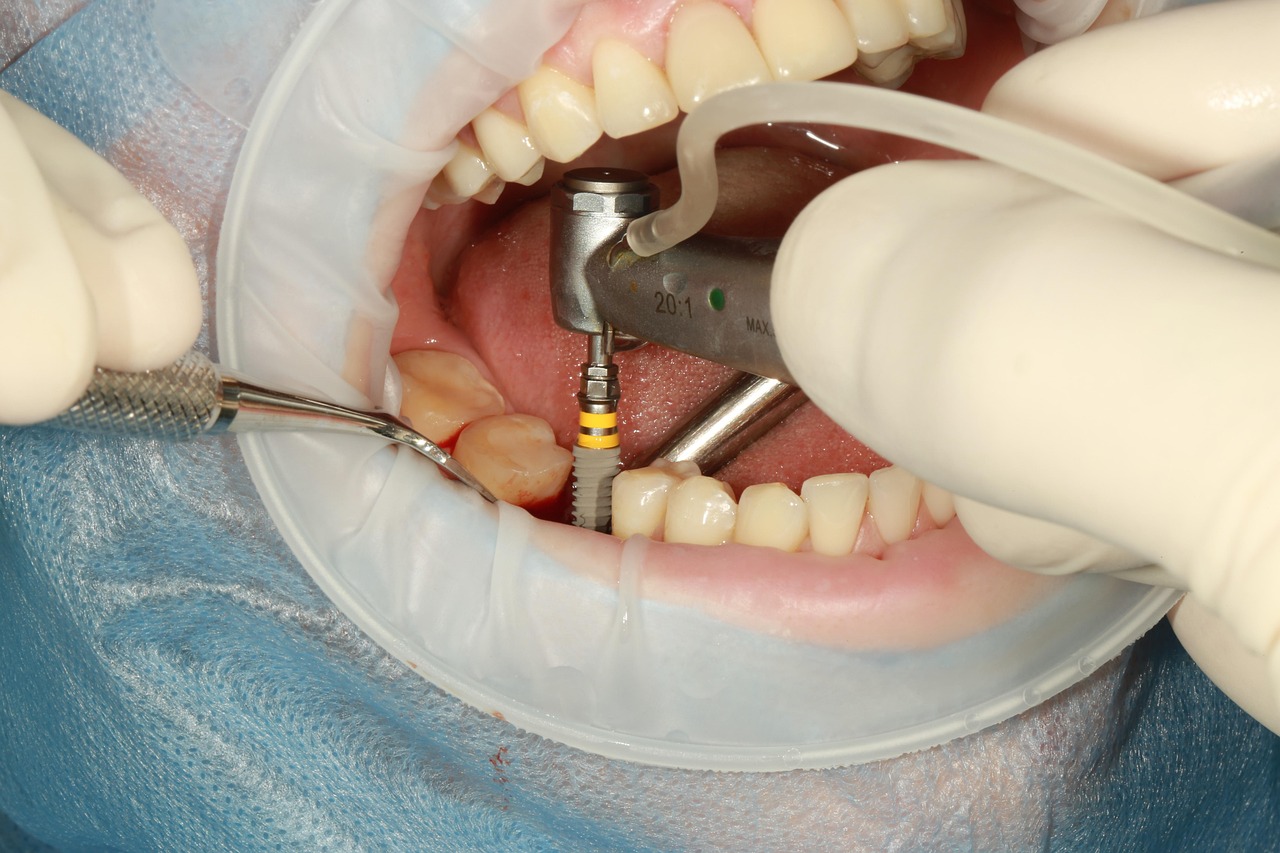
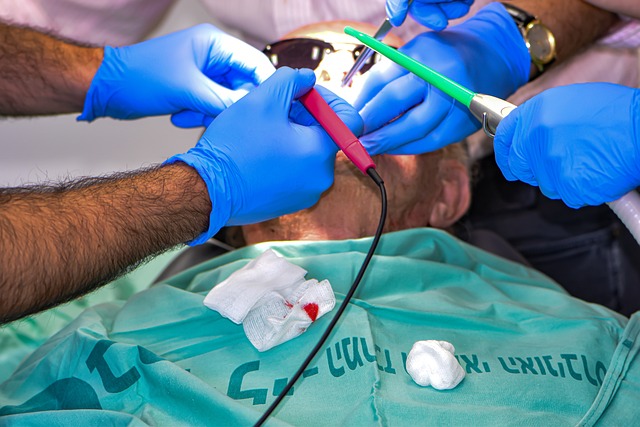
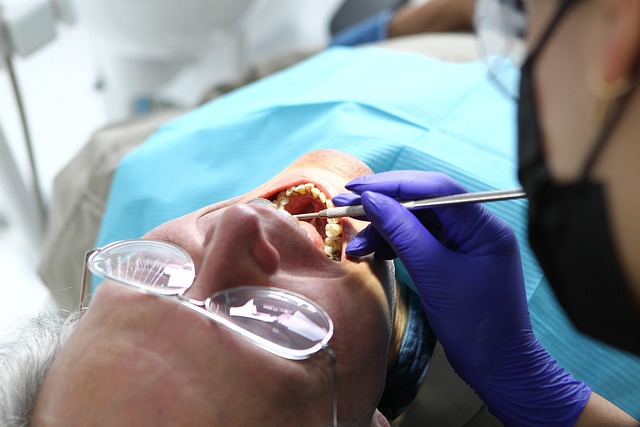

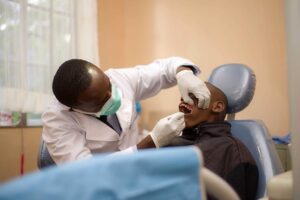 A tooth injury can happen in an instant. One moment you’re playing a sport, and the next, you’ve taken a hard hit that leaves you with a knocked-out tooth. This situation is alarming and requires urgent attention. If this happens, try to retrieve the tooth carefully, avoiding any contact with the root. Rinse it gently under water if it’s dirty but don’t scrub or remove any tissue attached to it. Keep the tooth moist; place it in a glass of milk or your own saliva if possible. Time is of the essence here—seek dental care within an hour for the best chance of re-implantation.
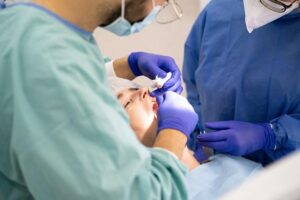 A broken or cracked tooth can happen in an instant. One minute you’re enjoying a crunchy snack, and the next, you feel that familiar jolt of pain. These injuries often occur due to trauma, grinding teeth at night, or simply wear and tear over time. The discomfort may range from mild sensitivity to sharp pain when chewing. Ignoring a crack can lead to more serious complications like infection. It’s essential to get it checked out by your dentist as soon as possible. Treatment options vary based on the severity of the damage.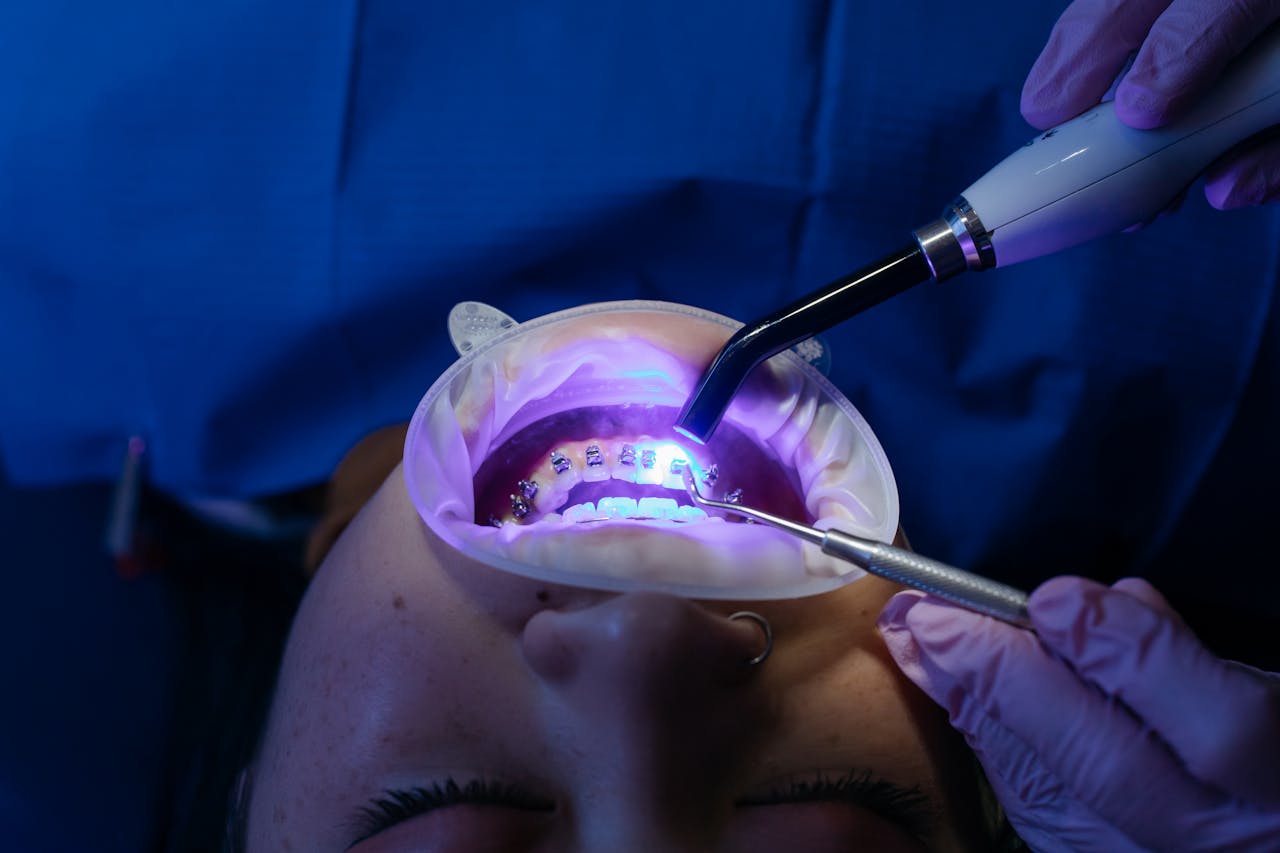
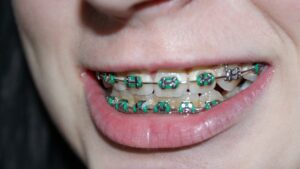 When it comes to visibility, braces, and Invisalign take very different approaches. Traditional metal braces are highly visible, with brackets and wires that can draw attention to your mouth. This might be a concern for some, especially adults in professional settings or teens who want to avoid unwanted stares. On the flip side, Invisalign offers a more discreet solution. The clear, transparent aligners are nearly invisible when worn, making them a perfect and attractive option for those seeking subtlety.
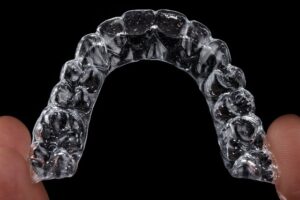 As you know, eating can be another different, often painful story when you wear most teeth aligners. When it comes to braces, certain foods are off-limits. Think hard candies, popcorn, and sticky treats. These can damage brackets or get stuck in wires. With Invisalign, you can expect a different story. Because Invisalign is removable, you just need to remove the aligners when chewing that delicious brisket and any other foods you love. In fact, you’ll also have the freedom to drink anything other than water.




 Before you dismiss testosterone boosters as mere muscle magic, consider the multifaceted marvels they bring to the table. From mood to metabolism, brain health to heart health, these supplements hold the potential to offer a holistic boost to your overall well-being. As you embark on your journey with testosterone boosters, remember that their effects might vary from person to person. Just like a treasure map, discovering these health gems requires patience, a willingness to explore, and a partnership with your healthcare guide.…
 Sugary foods are one of the main culprits when it comes to tooth decay. The sugars in these foods act as fuel for bacteria, which can produce acid and damage your enamel. To avoid this, try to limit your intake of sugary snacks and drinks. If you indulge, make sure to brush and floss after.
 Smoking is an unhealthy habit that can have serious consequences on your oral health. Studies have shown that smokers are more likely to develop tooth decay than non-smokers. This habit also leads to bad breath, stained teeth, gum disease, and even mouth cancer. To protect your teeth, quit smoking and avoid other forms of tobacco.
 One of the best things you can do for your anxiety is to schedule a worry time. This may sound counterintuitive, but it works. When you have anxiety, your mind is always running. You are constantly worrying about something. Scheduling a worry time gives you permission to worry. It allows you to set aside time to focus on your worries. And it can help you worry less the rest of the day. To schedule a worry time, choose a time and place where you can be alone and uninterrupted. Set a timer for 15-30 minutes, let go of yourself, and allow yourself to worry about anything and everything on your mind.
 Did you know that a study found that people who smile more often tend to have less anxiety and depression? Smiling has been found to help reduce stress, lower blood pressure, and boost your mood. And the best way to do so is to put a smile on other people’s faces too. You can do this by complimenting others, telling jokes, or simply smiling at people you pass by.
 The first food on our list is whole eggs. Eggs are a great source of protein and contain all of the essential amino acids your body needs to build muscle. Additionally, they are rich in vitamins and minerals such as vitamin D, choline, and selenium. Eggs are best consumed cooked, as raw eggs can contain bacteria that can make you sick. However, some people prefer to consume it raw.
 The second food on our list is fish. Fish is a great source of protein and omega-three fatty acids. These fatty acids are important for muscle growth as they help to reduce inflammation and improve insulin sensitivity. Studies have shown that people who consume fish regularly can build more muscle than those who do not. Many people who want to grow muscle like to eat fish like salmon. This type of fish is rich in protein.
 The fifth and final food on our list is brown rice. Brown rice is a great source of complex carbohydrates, fiber, and B vitamins. Additionally, it has been shown to improve blood sugar control and reduce inflammation. When choosing rice, opt for brown rice over white rice as it is less processed and contains more nutrients. Brown rice is known to have a high Glycemic index. This means it can cause your blood sugar to spike if you consume too much of it. So if you are trying to build muscle, eat in moderation.
 Because of cartoons bashing the efficacy of therapy and the fact that it’s seen as expensive and only for “serious” cases, many people don’t see the value in therapy sessions. If you can afford it, please do give it a try with a professional therapist. If not, there are still other ways to get help.
 If you don’t feel comfortable talking to friends or family about your
 Thermogenic fat burner pills are a type of dietary supplement that is designed to help people lose weight. These pills work by increasing the body’s temperature, which helps burn more calories and fat.
 There are many different types of thermogenic pills available on the market, and each one works a little bit differently. Some of the most common ingredients found in thermogenic fat burners include caffeine, green tea extract, guarana extract, and citrus Aurantium.
 These thermogenic fat burner pills work by increasing your
 Online reviews can guide you in choosing the best. The digital revolution has brought about significant changes in the field of psychological counselling, and in particular, online psychotherapy is now a telecare service, in several instances more beneficial than actual contact.
 In most cases, online psychotherapy is a valid alternative to face-to-face therapy, except for some specific clinical conditions due to the severity or type of symptoms. However, the effectiveness of remote therapy is demonstrable in terms of patient satisfaction and the long-term effects it implies. In other words, it depends on how well the therapist can grasp the patient’s inner world and how much he feels understood and recognized.
 You can tell that the
  Most likely, if you ask around you, you could find a friend, colleague, or even a relative who has undergone a vascular operation in the past. You may ask them to refer you to the hospital where they underwent surgery. Also, ask them about their experience there to decide if you will choose the facility. You also need to check reviews online, for example, on the hospital’s website and other sites, to find out more about the various facilities, to choose the one with positive feedback, and to satisfy your other criteria.…






 Your diabetes management plan will not be as effective if it does not have any physical activity. One of the reasons your blood sugar rises is the inability to break the body’s glucose into energy. Your muscles will convert the glucose into energy through exercise, thus helping maintain the blood sugar level.
 Some people start dieting immediately as soon as they are diagnosed with diabetes instead of eating healthy. This can be a grave mistake. Do not classify the various meals you take as good or bad, instead know the foods you can consume that can support your health.